
Personality Disorders
Individual disorders refer to a set of stable patterns of behavior, thinking, and emotions that can gradually impact a person’s quality of life, emotional relationships, social interactions, and occupational or academic performance. These patterns usually form unconsciously and, due to continuous repetition, become ingrained parts of the individual’s personality.
People living with individual disorders may struggle with emotion regulation, forming healthy relationships, logical decision‑making, and adapting to life changes. Sometimes these patterns become so rigid and repetitive that the person feels trapped in a cycle with no clear way out.

What Are Individual Disorders?
In clinical psychology, what we call “individual disorders” are essentially personality disorders.
These involve persistent and inflexible patterns of thinking, feeling, and behavior that are inconsistent with the environment and social expectations. These patterns typically begin in late adolescence and continue into adulthood.
Personality disorders make it seriously difficult to connect with others, manage emotions, and function socially, significantly reducing a person’s overall quality of life. In many cases, these disorders co‑occur with anxiety, depression, and interpersonal difficulties.
Why Individual Disorders Matter
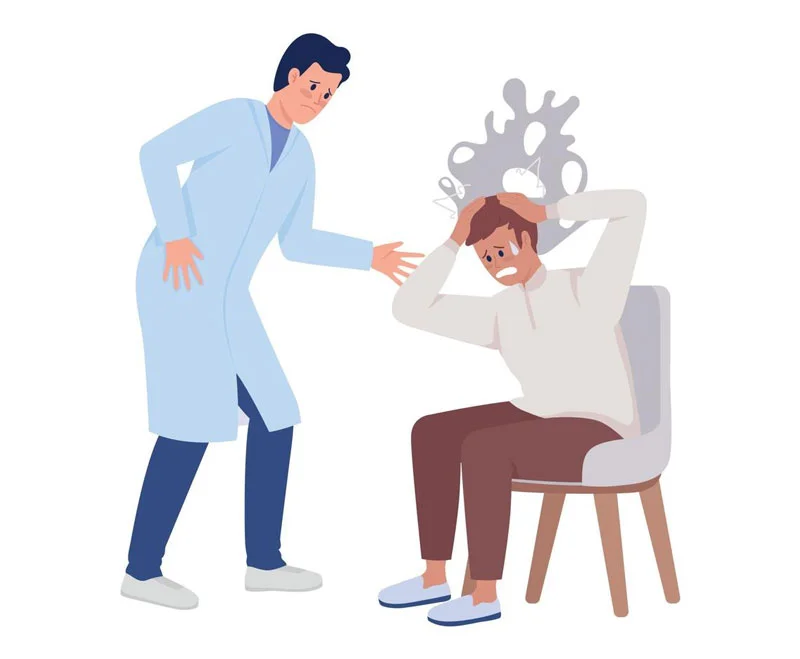
We all have behaviors that may sometimes annoy others or be inconvenient. But when a pattern is persistent, inflexible, and causes problems across multiple areas of life, it should be taken seriously.
Reduced quality of life
Frequent problems in relationships
Impaired functioning at work or school
Increased risk of anxiety and depression
Common Signs of Individual Disorders
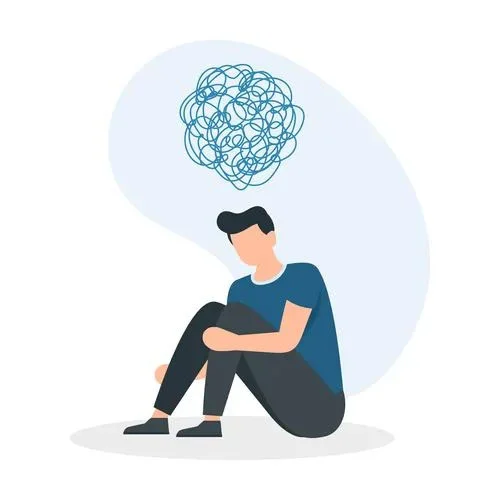
Personality disorder is not just one specific trait. If you notice the following qualities in yourself that are consistent and long‑standing, be aware:
- Persistent relationship difficulties, especially intense conflicts
- Strong and unstable emotions such as sudden anger, sadness, or anxiety
- Impulsive behaviors without planning
- Negative self‑image or view of others, including low trust or extreme perspectives
- Inflexibility and difficulty adapting to social expectations or new situations
Categories of Personality Disorders
Mental health professionals typically divide personality disorders into three main clusters:
Odd or Unusual Patterns
- Paranoid
- Schizoid
- Schizotypal
These involve odd or unconventional patterns of thinking and behaving that others often perceive as unusual.
Emotional and Dramatic Patterns
- Borderline
- Antisocial
- Histrionic
Characterized by strong emotional reactions, instability, and dramatic interpersonal behaviors.
Anxious or Controlling Patterns
- Avoidant
- Obsessive‑Compulsive Personality Disorder (OCPD)
Marked by anxiety, fear of rejection, avoidance of relationships, or excessive need for control.
Personality Disorder Treatment Process
Personality disorder counseling is not a simple talk or general advice session. The process is structured and systematic, designed to identify and gradually modify deep‑rooted personality patterns.
Initial Assessment
The therapist focuses on fully understanding the nature of the problem, rather than labeling it right away.

Treatment Formulation
Based on assessment, the therapist creates a tailored treatment plan, not generic recommendations.
Targeted Psychotherapy
Regular counseling sessions begin with focus on gradual, sustainable change.
Practice & Generalization
Clients receive practical exercises to apply therapeutic insights in real life.
Consolidation & Tracking Progress
The therapist teaches relapse‑prevention strategies and helps the client integrate new adaptive patterns.
Benefits of Online Counseling for Personality Disorders
Online individual disorder counseling is far from casual advice. It’s a structured approach where deep personality patterns are identified and modified, and offers several advantages:
Easy access without geographical limitations
Reduced anxiety compared to in‑person visits
Preservation of privacy
Ongoing treatment even while traveling
Comprehensive Online Counseling Form
Please complete this form carefully to help your counselor gain a comprehensive understanding of your situation prior to the session. All submitted information will be kept strictly confidential.
Consultation form
"*" indicates required fields
Frequently Asked Questions (Related to Individual Disorders)
In this section, we answer the most frequently asked questions about individual disorders, so you can make informed decisions to improve your family relationships and begin your counseling sessions with confidence.
How do I know if my issue is truly a personality disorder and not just stress or anxiety?
Many people experience symptoms that resemble personality disorders due to stress, anxiety, or depression. The key difference is that personality disorders involve old, stable, and repeating patterns that interfere with relationships, work, and decision‑making. A definitive diagnosis requires a specialist evaluation, and the first session focuses on determining this.
Is online counseling really effective for personality disorders?
Yes — if the counseling is structured and professional, its effectiveness can match in‑person sessions. Therapy for personality disorders is primarily based on dialogue, pattern analysis, and psychological exercises, which are perfectly feasible online.
How many sessions does it take to see results?
Therapy is gradual, not instant. Initial sessions focus on assessment, and from subsequent sessions, changes in awareness and behavior begin to emerge. The duration of treatment depends on the type of disorder, symptom severity, and client cooperation, and aims for lasting pattern change, not temporary relief.
Do I need medication?
The primary treatment for personality disorders is psychotherapy. Medication may be used only if there are severe symptoms like intense anxiety, depression, or sleep issues, and even then typically under psychiatrist supervision.
What if I feel embarrassed or fear judgment?
This concern is perfectly normal. Professional therapy offers a safe, confidential, non‑judgmental space. The focus is on understanding deeply held patterns and helping change them, not on criticism. Many clients find online sessions make them more comfortable and honest when discussing personal issues.
Start Your Journey Toward Change
With online counseling for individual disorders, you can identify maladaptive personality patterns and begin professional treatment to improve life quality, emotional health, and relationships.
This post is also available in fa_IR.
